Test strategy
Build a multifamily radon testing strategy before devices go out
September 9, 2026
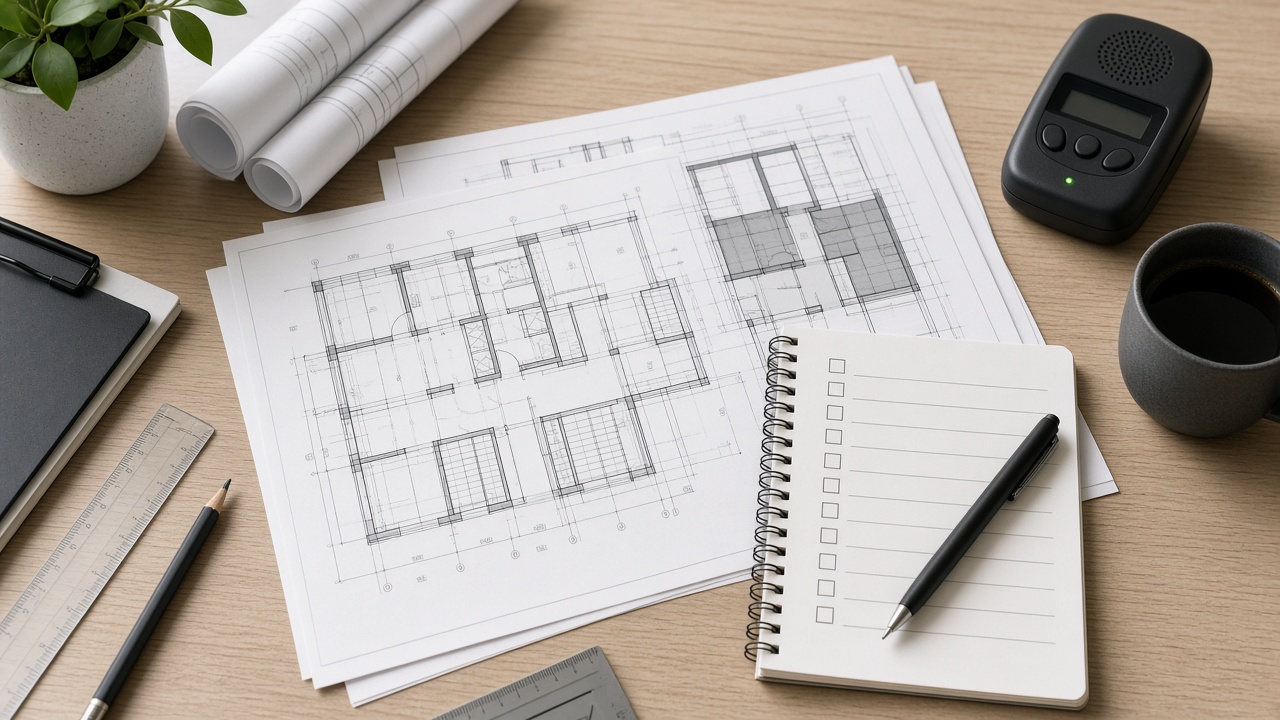
Should devices go out before anyone plans the test?
No. Before devices go out, NOI Radon builds a testing strategy for the property so the results are reliable and later mitigation is simpler if you need it. That saves the Borrower time and money. A generic device drop is how you get a number that is hard to defend and a building that is harder to retrofit.
The plan looks at radon zone risk, building layout, timeline, and what happens if results come back high. Then placement follows that plan, not the other way around.
What is in a property-specific testing strategy?
Zone risk, foundations, unit mix, HVAC, access, and the lender program. On EPA Zone 1 or other high-probability sites, plan with likely mitigation in mind so future retrofit work is easier and usually less expensive for the owner. That is diligence, not pessimism. You still measure. You just do not pretend every site is the same.
EPA's Map of Radon Zones is a county-level screening tool, not a unit-level result. Zone 1 means the highest predicted average indoor potential. It does not replace a test, and it is not a reason to skip protocol.
How does the plan make later mitigation simpler?
Device locations and building notes should help a mitigator understand where soil gas can move, not just where a kit sat on a shelf. If results are elevated, local partners can bid against a building they already understand. Reviewing those bids against program requirements is faster when the measurement file is not a mystery.
That is the after-the-report path described in the elevated results guide. The cheaper version is to think about it before devices ship.
What does the Borrower actually save?
Time on the closing calendar, and money on a retrofit that does not fight the building. Re-testing because the first plan was generic costs both. Shopping mitigators with no bid review costs both. A strategy up front is the quieter cost cut. It does not show up as a discount line. It shows up as fewer loops.
What do we need from you to build the plan?
Address, unit or building count, lender or program, closing date, and enough deal context to see zone risk and layout. Photos, a unit matrix, or a site plan help when they exist. They are not a gate. The quote form is enough to start. Protocol and a fixed fee come back usually within one business day. Placement waits until the plan exists.
| Before devices ship | After devices ship |
|---|---|
| Zone risk and layout in the plan | Results you can defend |
| Program named in the scope | Report that matches the reviewer |
| Mitigation path already in scope | Bids without a panic shop |
| Report date in the proposal | Retrieval that hits that date |
| Site contact identified | Notice and access without delay |
Send the property when the deal is real. We will not put devices in a car until the strategy for that asset is set.