Green certifications
Radon testing and green certifications on multifamily deals
September 16, 2026
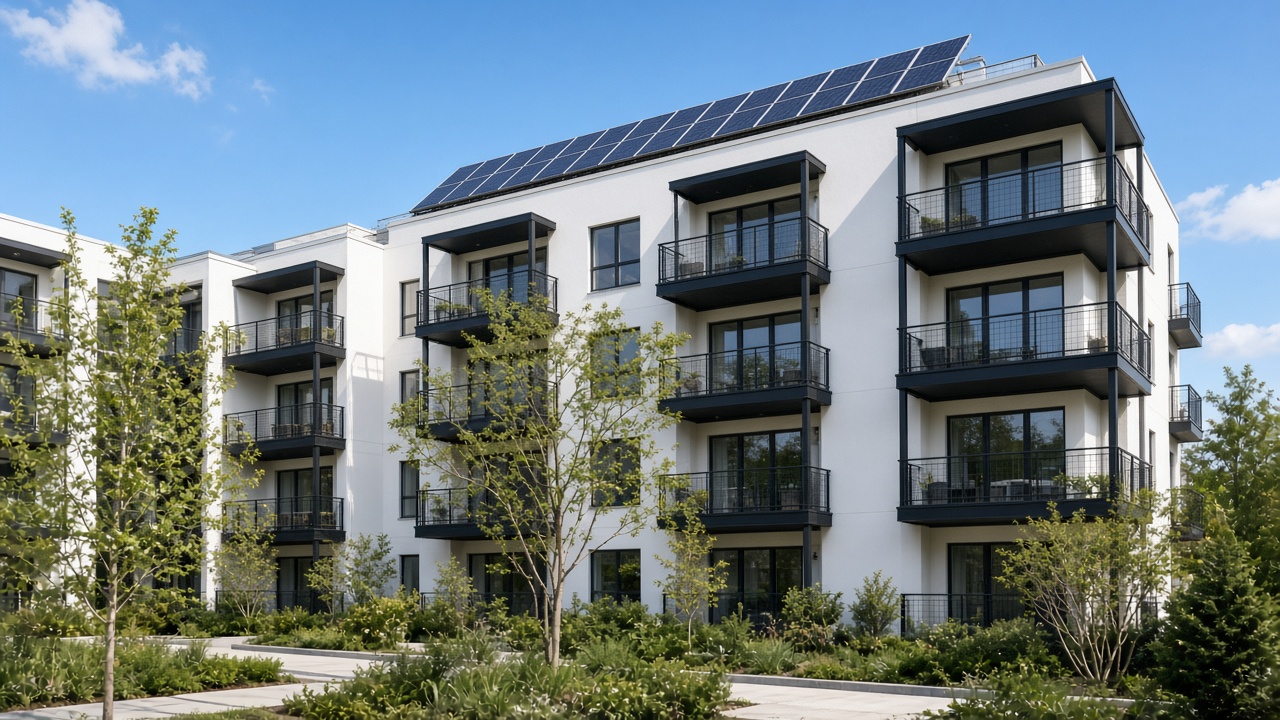
Green certifications and radon testing often land in the same underwriting package. They still do different jobs. Green or healthy-building programs track how the asset is designed and operated. Radon testing measures indoor radon so the lender and owner can show the property met the test protocol before closing.
On multifamily FHA or Agency deals, radon usually sits on the critical path. Property managers feel that when devices go into units. Green standards run beside that work: ENERGY STAR, LEED, WELL, local green codes, and other program checklists that NOI Engineering supports on the energy and certification side. Keep the two workstreams clear so nobody overclaims what a radon report proves.
What radon testing proves (and what it does not)
A lender-ready multifamily radon test, done to ANSI/AARST expectations with closed-building conditions in mind, documents concentrations for the units and buildings in the scope. It supports FHA MAP and Agency-style diligence when radon is required. It does not, by itself, award a LEED credit, a WELL feature, or a green program badge. Those programs have their own pathways, documentation, and consultants.
Treat radon as indoor air diligence for the deal. Treat green certification as a separate workstream unless that project's program paperwork explicitly ties the two together.
Where the two workstreams meet
Healthy-building and green programs care about indoor environmental quality. Radon is one piece of that picture in many markets, especially where Zone 1 geology or lender overlays raise the odds of elevated results. Owners chasing green standards still need a clean radon path for FHA and Agency closings. The practical overlap is sequencing and documentation:
- Scope radon early enough that elevated results do not blow the closing calendar.
- Keep the radon report underwriter-ready and separate from the green certification binder.
- If results come back high, start mitigation planning with local partners and program review. Do not leave it as a late surprise fee.
NOI Radon handles the multifamily testing lane: property-specific planning before devices go out, nationwide scheduling with property staff, fixed-fee quotes through the form, and reports that fit the diligence timeline. For broader green certification strategy and energy work, see NOI Engineering for more information about green certifications.
Property management: less disruption, clearer notice
Green upgrades and radon testing both need unit access. Residents get notices. Staff coordinate keys and closed-building conditions. The access load looks a lot like any other unit-entry program, whether the driver is a green audit or a MAP radon protocol. Plan the test week with on-site teams the same way. Clear notice and short placement windows limit tenant disruption and keep the protocol intact.
Compliance without overclaiming
Federal, state, and local rules on radon and on green building change by jurisdiction. FHA and Agency guidance set the bar for many financed deals. Local codes and green program rules add another layer. A radon pass does not equal a green credit. A green certification does not skip radon when the lender checklist still lists it.
If your deal needs both, run them as parallel tracks on one owner calendar. Use the FAQ on this site for how NOI Radon scopes multifamily tests, timelines, and elevated-result support. When you have a live property, send it through the quote form.
For the next deal
Radon testing protects the closing file. Green certifications support the sustainability and healthy-building story. Both can matter on the same multifamily asset. Keep the scopes honest, connect the teams early, and send green certification questions to NOI Engineering. Send multifamily radon scoping to NOI Radon through the quote form.